
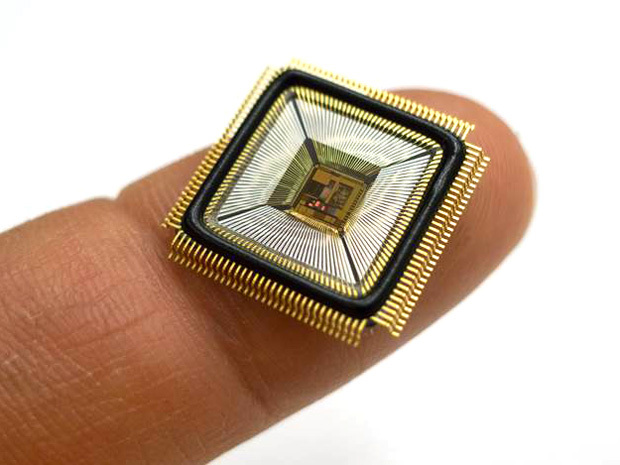
Cochlear implants offer deaf people and others that are having hearing problems the ability to hear certain sound. The device may be implanted through surgery to stimulate the cochlear nerves. For some people, hair cells activate these cochlear nerves to give them the ability to hear. One of the typical drawbacks of the cochlear implant is the noticeable size of the transmitter, wire, and microphone. This can lead to discomfort during the user’s daily routine, and unfortunately users may also face a social stigma. A team of engineers and physicians may have a solution to those problems: a cochlear implant without external hardware.
So, if this thing is implanted into their inner ear, the user has to have a smartphone next to their head all night so that it can recharge? That probably is going to be worse than deafness if they will get brain tumours later on.
How long will it be tested for and how do we know the long-term effects of these developments?